
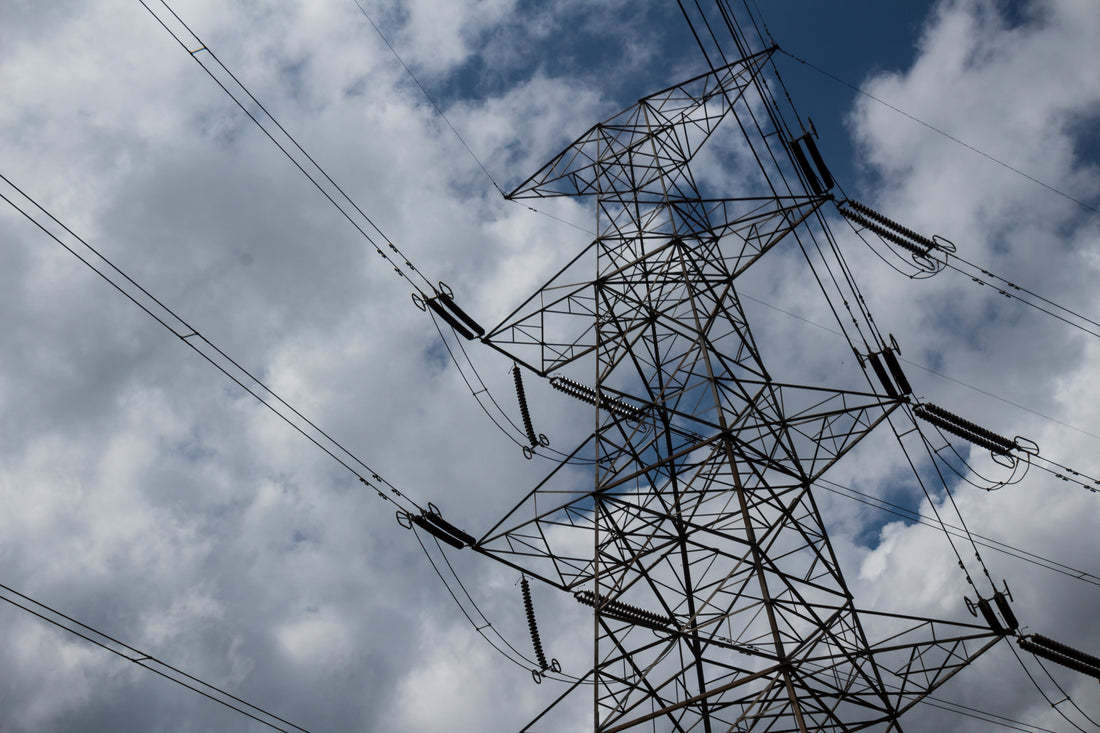
Electric blackout: how to cope without electricity at home
What should you do if you experience a prolonged power outage? Energy tensions are becoming an increasingly public concern as the days grow shorter and colder. Unstable gas supplies, strained power grids, and the risk of load shedding mentioned by authorities are all signs that warrant careful consideration. Our dependence on electricity is real: lighting, heating, refrigeration, communications... even our running water depends on the grid. Fortunately, with proper preparation and a few smart pieces of equipment, a prolonged outage becomes a mere inconvenience rather than a major ordeal. Home energy independence requires smart planning.

Understanding the challenges of the modern blackout
A cascade of failures: the domino effect
A power outage is never just a lack of light. It triggers a cascade of failures that gradually paralyze all the vital systems in your home. Locked electric gates, shut-down ventilation systems, modern boilers in safety mode: your home quickly becomes less comfortable.
Electric heating shuts off instantly, and even modern gas systems often require an electrical supply for regulation and safety. Indoor temperatures drop rapidly, especially in modern buildings that rely on mechanical ventilation.
Communications break down: WiFi is down, cell towers are on low battery, and landlines are out of service. This information isolation makes it difficult to assess the situation and coordinate with the outside world.
Critical duration: the thresholds of discomfort
The first 6 hours are generally manageable with minimal preparation. Beyond that, problems gradually accumulate. The first 12-24 hours see the first real inconveniences appear: food warming up in the fridge, the temperature becoming uncomfortable, and daily routines disrupted.
After 48-72 hours , the situation becomes problematic: food supplies need monitoring, hygiene becomes more difficult, and comfort deteriorates. Power outages lasting more than a week transform daily life into a degraded state where only the prepared maintain acceptable living conditions.
Emergency lighting: seeing without electricity
Hierarchy of lighting solutions
Self-contained LED lighting dominates modern solutions due to its energy efficiency. A quality headlamp with lithium batteries provides 50-100 hours of continuous illumination, freeing your hands for essential tasks. Complement this with LED lanterns for ambient lighting and tactical flashlights for specific needs.
Traditional candles remain essential for long-lasting lighting. A standard candle burns for 8-10 hours, providing warmth and light without the need for batteries. Opt for beeswax or stearin candles , which are safer and less toxic than paraffin.
Safety first : never leave an open flame unattended, use stable supports, and keep a fire extinguisher within reach. Darkness does not justify taking fire risks that would only complicate your situation.

Consumption optimization
Intelligent management of your light reserves significantly extends your battery life. Use directional lighting rather than general lighting: a headlamp precisely illuminates your work area while consuming less power than a lantern that lights up the entire room.
Energy-saving technique : alternate between bright lighting for specific tasks and dim lighting for general ambiance. Your eyes adapt quickly to the dimness, reducing your actual light needs.
Improvised reflectors multiply the efficiency of your light sources: mirrors, aluminum foil, and white surfaces direct and concentrate the available light. This passive optimization costs nothing but significantly improves your visual comfort.
Alternative heating: maintaining the temperature
Auxiliary heating solutions
Portable gas heaters remain the most efficient solution for quickly heating a small space. These self-contained units operate with standard cartridges and effectively heat 15-20m². Ventilation is essential : always leave a window slightly open to prevent carbon monoxide buildup.
Chemical hand warmers offer a convenient, portable solution for quickly warming your hands or feet. These single-use devices generate heat for 6-8 hours, perfect for maintaining dexterity during delicate tasks.
A creative alternative : tealight candles placed under terracotta pots create a makeshift heater. Four candles under an inverted pot generate noticeable heat for a few square meters. This technique requires monitoring but is surprisingly effective.
Heat retention
The layering strategy becomes important when the heating stops. Layer breathable clothing rather than putting on a thick sweater: the air trapped between the layers provides the most effective insulation.
Warming techniques : regular hot drinks, light movements to activate circulation, massage of the extremities. Improvised hot water bottles – hot water bottles wrapped in fabric – provide localized and lasting warmth.
Concentrate your activity in a single room : close off other spaces, seal openings, and create a micro-environment that's easier to heat. This "refuge room" technique optimizes your energy resources.

Food without refrigeration: managing without a fridge
Prioritizing food
Perishable products spoil quickly without refrigeration: meat, fish, and dairy products become risky within 4-6 hours at room temperature. Consume them while you still can, or process them immediately to extend their shelf life.
Canned and dry goods form your strategic reserve: rice, pasta, legumes, and canned goods can be kept indefinitely without refrigeration. Build up a minimum stock of 72 hours' worth per person, ideally a full week's supply.
Emergency preservation technique : This makeshift pantry uses evaporation to maintain a cool temperature. Wrap your food in a damp cloth and place it near an open window. Evaporation will cool the contents by 5-10°C below room temperature.
Cooking without electricity
A portable gas stove becomes your backup cooker. These compact devices use screw-in cartridges and allow you to cook, reheat, and prepare hot drinks. It's recommended to stock up on cartridges , as they can become difficult to find during power outages.
Fuel tablets offer a lightweight alternative for heating prepared meals. These small cubes burn slowly and release intense heat, enough to boil 500ml of water.
Outdoor solution : If you have a secure garden or balcony , a small charcoal barbecue allows for thorough cooking. Check local regulations, but this option can resolve a tricky food situation.
Water and hygiene: maintaining standards
Preventive water reserves
Running water may continue for a few hours after a power outage, while the reservoirs empty. Immediately fill all your containers: bathtub, basins, bottles, pots. This precious water will give you some autonomy before you have to draw on your reserves.
Recommended water intake : 3 liters per person per day, or 21 liters per week. Store in opaque containers, away from light and heat. Replenish your supply regularly to maintain optimal quality.
Water purification becomes useful if you have to use alternative sources. Purification tablets , portable filters , or simply boiling water will eliminate most contaminants. This skill can prove invaluable if the water outage is prolonged.
 Plan ahead: water becomes precious from the very first hours
Appropriate hygiene
Personal hygiene is becoming simpler but remains important for morale and health. Disinfecting wipes , dry shampoo , and regular toothpaste allow you to maintain acceptable cleanliness with minimal water.
Toilets can be problematic: some lifting systems stop working without electricity. Test them immediately after the power outage and prepare alternative solutions if necessary: a supply of water for manual flushing, disinfectant products.
Waste management : without garbage collection, waste accumulates quickly. Sort, compact, and store in airtight bags. Compost organic waste if you have a garden, and reduce the volume as much as possible.

Communication and information: staying connected
Independent sources of information
The battery-powered radio becomes your window to the outside world. FM radio for local news, weather radio to anticipate conditions. Essential battery supplies or dynamo models for complete autonomy.
Your smartphone retains a few hours of battery life. Activate power saving mode immediately, disable Wi-Fi and Bluetooth, and limit communication to essential calls. Use an external power bank to extend this precious battery life.
Neighborhood coordination : connect with your neighbors to share information and resources. An organized community is more resilient than isolated individuals. Establish contacts before a crisis hits.
Signage if necessary
Visual signals can attract attention: a flashing flashlight in the window, brightly colored fabrics , a signal mirror to reflect daylight. These signals indicate your presence if needed.
Audible signaling : a whistle to alert neighbors if necessary. Three short, repeated blasts constitute the universal distress signal, but should only be used in case of a real problem.
Safety and organization: self-sufficient housing
Reasonable security
Power outages disable alarms, automatic lighting, and electronic access controls. Your home can become more vulnerable. Check all your access points: front door, windows, secondary entrances.
Simple precautions : functional manual locks, lighting visible from the outside, apparent presence. Passive deterrence rather than confrontation: show that the dwelling is occupied and prepared.
Security equipment : tactical flashlight , personal alarm , communication devices . These tools deter opportunists and give you the means to manage difficult situations.
Community organization
Neighborhood support greatly increases your resilience. Identify skills : handyman/handywoman, someone with a generator, families with children needing help. Share resources whenever possible.
Simple coordination : information sharing, occasional assistance to the most vulnerable, informal monitoring rounds. A prepared community manages difficulties better and discourages problematic behavior.
Blackout preparedness kit: your home arsenal
Recommended basic equipment
Lighting : 2 LED headlamps + spare batteries, 6 long-lasting candles + reliable lighters, 1 LED lantern for general lighting.
Heating : 1 portable gas heater + 4 cartridges, 10 chemical heaters, tea light candles + terracotta holders.
Food : gas stove + 6 cartridges, fuel tablets, canned goods for 7 days per person, 25L minimum stored water.
 Your preparation kit: ready for action, well thought out, effective
Maintenance and updates
Quarterly checks : batteries, expiry dates, equipment condition. Rotate consumables : use and replenish water, food, and batteries regularly.
Practical tests : Simulate a power outage to test your procedures and identify potential improvements. This preparation transforms the unexpected into a well-oiled routine.
Our WildTactic blackout preparation kits integrate all these elements into coherent and tested solutions. This methodical approach prevents oversights and optimizes your preparation.
Conclusion: From dependence to autonomy
The power outage reveals our technological dependence but also our capacity for adaptation. This vulnerability transforms into resilience as soon as you take the initiative. Anticipate, prepare, test : these three simple actions make the difference between being overwhelmed and managing calmly.
Investing in your energy independence remains a reasonable investment compared to the benefits: continued comfort, preserved peace of mind, and increased confidence. This preparation frees you from worry and transforms every power outage into a controlled practical exercise.
Act now : the electricity is still working, you have time to prepare intelligently. Tomorrow, when the lights go out, you'll handle the situation with a smile and the right equipment.
Prepared blackout: when self-sufficiency becomes second nature.